
Roulette is a classic casino game known for its spinning wheel and the anticipation of a bouncing ball. It incorporates elements of chance and strategy, making it both exciting and intriguing for players who enjoy online pokies australia , as well as traditional games. The game consists of multiple betting options, including inside and outside bets, with each type offering different odds and payouts. Understanding these basics is crucial for anyone looking to enhance their experience at the roulette table.
The wheel itself has numbered slots ranging from 0 to 36 in European roulette and an additional 00 in American roulette. This distinction increases the house edge in the American version, as players must contend with the additional betting option. Players place their bets before the wheel is spun, and the outcome depends solely on where the ball lands. This simplicity belies deeper strategic considerations that many players explore.
One fundamental aspect of roulette is the randomness involved in the game’s outcomes. Each spin is independent, meaning that previous results have no bearing on future spins. This principle is often referred to as the «gambler’s fallacy,» where players might mistakenly believe that a certain outcome is due after a streak of opposites. Understanding this concept helps players avoid common mistakes that can lead to imprudent betting behavior at the roulette table.
While roulette is fundamentally a game of chance, many players employ strategies in hopes of increasing their chances of success. Strategies such as the Martingale system, where players double their bet after each loss, are popular among those seeking a systematic approach. However, it’s essential to recognize the risks associated with such strategies, particularly the potential for significant losses during long losing streaks.
Another strategy that players often use is the Fibonacci system, which is based on the famous Fibonacci sequence. In this approach, players increase their bet according to the sequence after a loss, aiming to recover their previous losses with a single win. While such strategies can provide a framework for betting, they do not change the odds inherent to the game. Players should approach these strategies with caution and a clear understanding of their limitations.
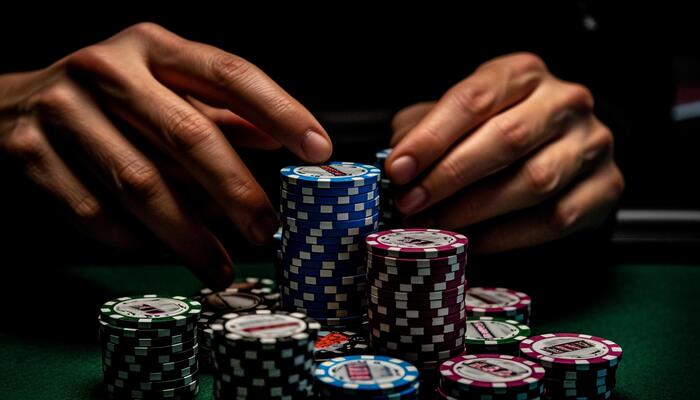
Understanding which strategies may work for individual players is crucial. For some, sticking to methodical betting patterns may feel more comfortable, while others may prefer a more spontaneous approach. The effectiveness of any strategy ultimately depends on the player’s ability to manage their bankroll effectively and set limits to avoid excessive losses. Recognizing when to walk away is as much a part of strategy as any betting system.
Every bet in roulette carries its own set of odds and associated payouts. For example, a straight-up bet on a single number offers the highest payout of 35 to 1, but the likelihood of winning is relatively low. In contrast, betting on red or black provides nearly a 50% chance of winning, with a payout of 1 to 1. Understanding these odds is vital for making informed betting decisions and maximizing potential returns.
The concept of risk versus reward in roulette is paramount. Players must evaluate how much risk they are willing to take when placing their bets. For those looking for a more conservative approach, outside bets may be preferable, albeit with lower payouts. Conversely, players seeking excitement and potentially larger wins may lean towards riskier inside bets, despite their lower odds of success.
The role of the house edge cannot be overlooked in these calculations. The house edge is the statistical advantage that the casino has over players, which varies depending on the variant of roulette being played. European roulette, with its single zero, has a lower house edge compared to American roulette, which features both a single zero and double zero. Knowing this can inform a player’s choice of game and help them strategize accordingly.
The psychology of gambling plays a significant role in how players approach roulette. Emotions can impact decision-making, leading to both rational and irrational choices. For instance, the thrill of winning can lead to more aggressive betting, while the fear of loss may cause players to retreat or diminish their bets. Awareness of these emotional factors can help players maintain a level head at the roulette table.

Additionally, social influences and the environment of the casino can alter a player’s experience. Playing with friends or in a crowded casino can create a sense of excitement that affects betting behavior. On the flip side, playing alone may lead some to be more cautious or calculated. Understanding how external factors impact one’s gameplay can be crucial for realistic expectations and enjoyment in the game.
Furthermore, players often develop narratives around their gambling experiences, attributing wins or losses to luck or specific strategies. This can create cognitive biases that influence future betting behavior. Recognizing these mental traps is essential for players to make informed decisions rather than relying on superstition or unfounded beliefs about luck.
Ultimately, while there may not be a definitive science to winning at roulette, players can adopt strategies and develop an understanding of the game that enhances their experience. Players should approach roulette with a mix of knowledge, strategy, and awareness of the risks involved. Understanding the game’s mechanics, odds, and psychological influences can create a more informed approach to play.
As players become more familiar with various strategies and betting systems, they can tailor their approach to fit their personality and risk tolerance. The key is to maintain a balance between enjoyment and responsible gambling while recognizing that roulette is primarily a game of chance. This understanding can lead to a more positive and fulfilling experience at the roulette table.
Whether players are newcomers or seasoned veterans, the allure of roulette remains strong. Exploring different strategies, understanding the dynamics of the game, and being aware of personal betting behavior can contribute to a richer gaming experience. Players should feel empowered to enjoy the thrilling ride that roulette offers, mindful that every spin is unique and unpredictable.

